
APPLICATION ENGINEERING / POWER TOOLS
Custom NdFeB Magnets for Power Tool Components
The right magnet is defined by the tool around it. Start with the component, the operating requirement and the environment, then connect those conditions to the geometry and material.
Share the tool context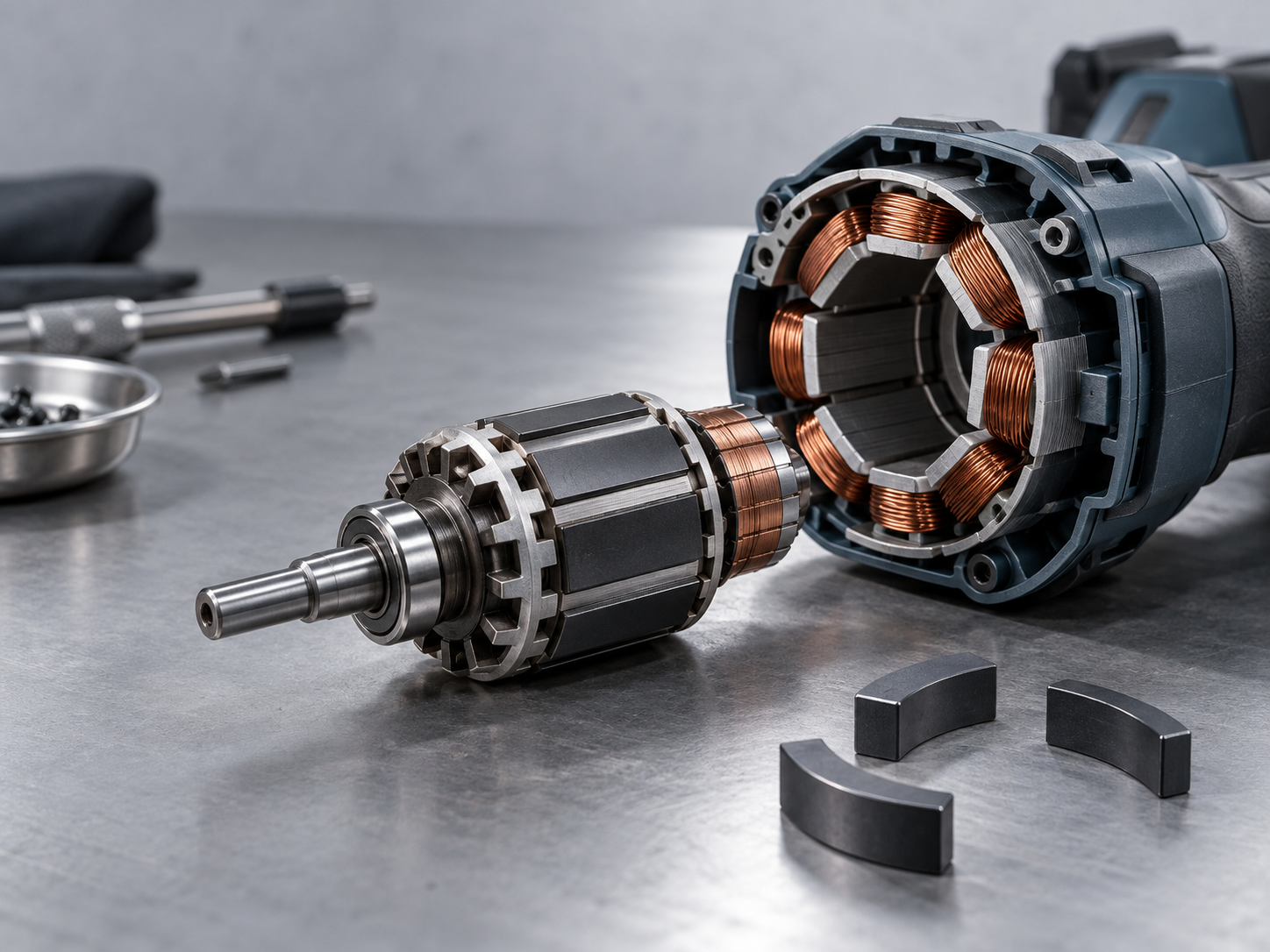
START WITH THE APPLICATION
What the tool asks of the magnet.
Power-tool components bring motion, load and temperature into the same review. The useful brief makes those conditions explicit before a form is locked.
APPLICATION REQUIREMENT
Make the tool context reviewable.
A focused enquiry does not need to solve every variable at the start. It needs to place the important operating conditions beside the part.
Where the magnet sits, what it experiences and how the tool moves around it.
Conditions that can change the material, coating or application review.
Drawing dimensions, magnetic requirement and the form the assembly needs.
What must be checked and what the commercial handoff needs to contain.
ENGINEERING CONSEQUENCE
Context becomes geometry.
Once the operating conditions are understood, the review can connect the assembly requirement to the decisions that affect the part and its release.
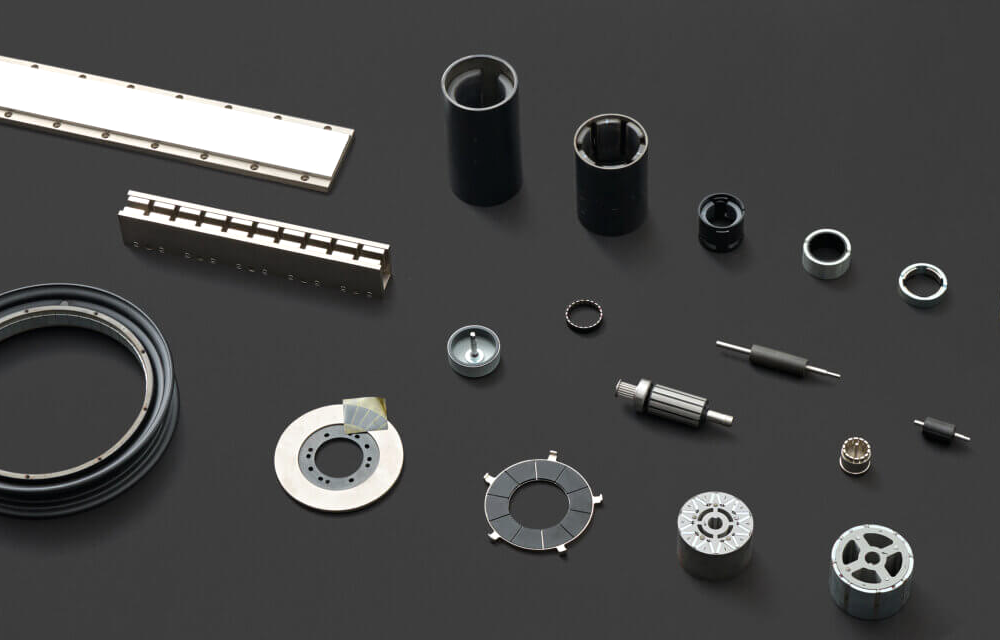
Arc, block, disc or another form follows the available space and working interface.
Grade and temperature context are reviewed against the operating requirement.
Coating is selected with the surrounding environment and finished condition in view.
Inspection evidence and batch traceability support the handoff to the next team.
FROM REQUIREMENT TO RELEASE
Keep the consequence visible.
Power-tool enquiries can move through manufacturing and quality checks with the application context still attached to the part.
- Process
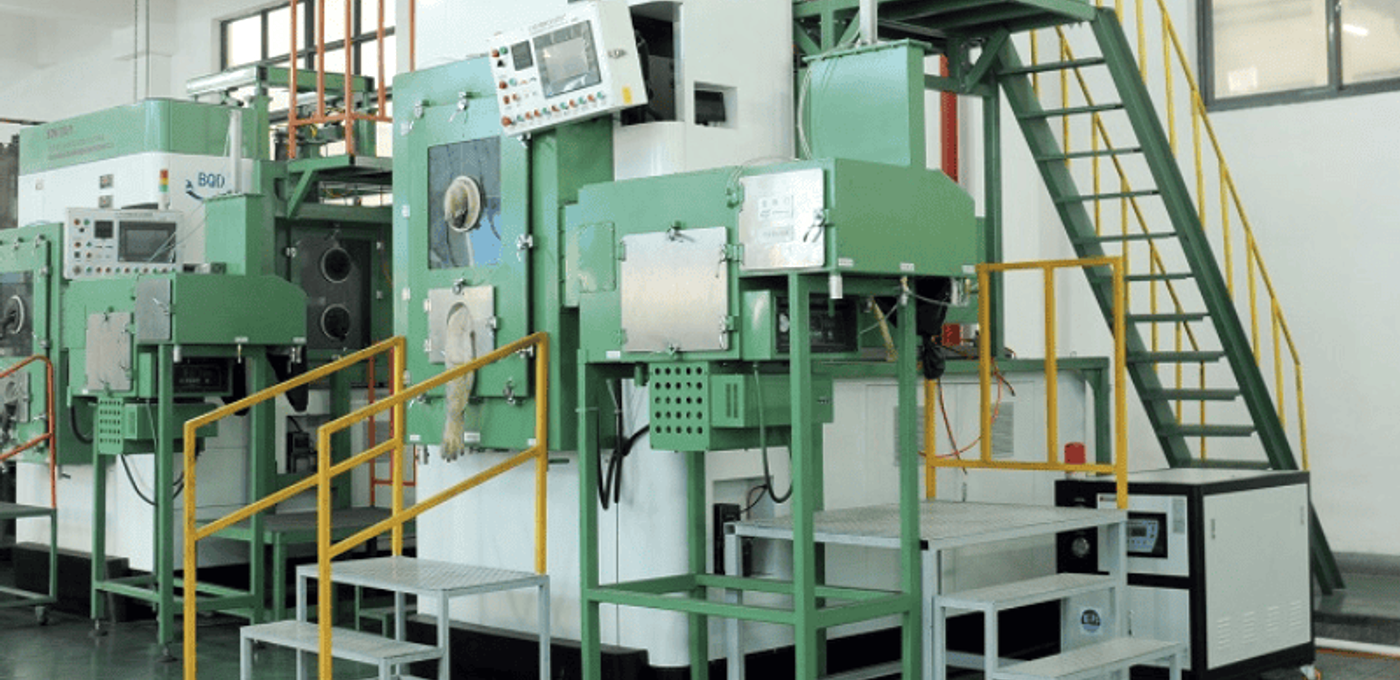
- Sintering, grinding, cutting, coating and magnetization as the project requires.
- Quality
- Incoming, in-process and finished-goods checks are part of the review context.
- Traceability
- Batch records support a clear handoff from approved requirement to release.
NEXT USEFUL INPUT
Bring the component context.
Share the tool, operating requirement, geometry and quantity you know. The drawing can follow in the email handoff.
Request a power-tool reviewENVIRONMENT / INPUTENGINEERING REVIEW / RFQ